
As we know, living a is beneficial not only for the environment but also for our well-being and health in our daily lives. For example, According to the United Nations [1], Sustainable Lifestyles are considered as ways of living, social behaviors, and choices that minimize environmental degradations (use of natural resources, Co2 emissions, waste, and pollution) while supporting equitable socio-economic development and better quality of life for all.
Here are practical, actionable tips to help you live more sustainably today.
Reduce, Reuse and Recycle
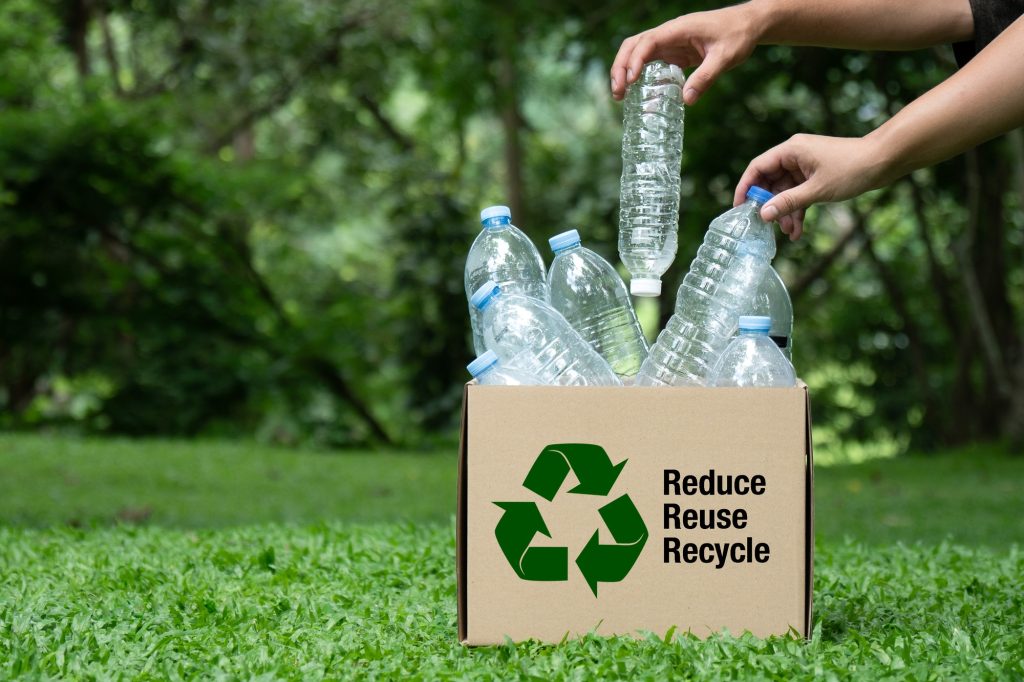
Let us start with the basic with reduce waste by purchasing only what we need, reuse, items creatively, and recycle materials like papers, glass, and metal. For example, the Environmental Protection Agency(EPA), it mentioned that recycling is the process of collecting and processing materials that would otherwise be thrown away as trash and turning them into new products. Recycling can benefit our community, the economy, and the enviroment. Products should only be recycled if they can not be reduced or reused[2]. In my opinion, pairing this with mindful consumption such as avoiding single use plastics can amplify our impact.
Choose Sustainable Products

In this days, we need to use the opt for items made from eco-friendly materials, for example bamboo toothbrushes or resuable silicone food wraps. According to Bamboo, for example, is a fast growing plant requiring minimal water and pesticides compared to tradtional crops [3]. I would say this small swap is an easy win for reducing plastic waste.
Conserve Energy

As human being, simple habits like turning off light, unplugging devices, adn using energy -efficient appliances can lower your carbon footprint. According to The U.S. Department of Energy, [4] highlighted that Home and commercial buildings consume 40% pf the energy used in the United States. of the 2,000 the average American spends paying for enegy annually, $200 to $400 could be going to waste from drafts , air leaks around openings, and outdated heating and cooling systems. By reducing these losses through energy efficiency upgrades, you can save money and be more confortable in your home or business. I would say that Considering upgrading to LED bulbs or installing a smart thermostat for a long-term savings.
Support Local and Organic Foods

By buying locally grown and organic foods reduces the carbon footprint of transportation and supports sustainable farming. Organic practices avoid synthetic pesticides, promoting healthier soil and ecostystems [5]. Personally, have found farmers markets to be a great way to access fresh , seasonal produce while supporting local economies.
Reduce Water Usage
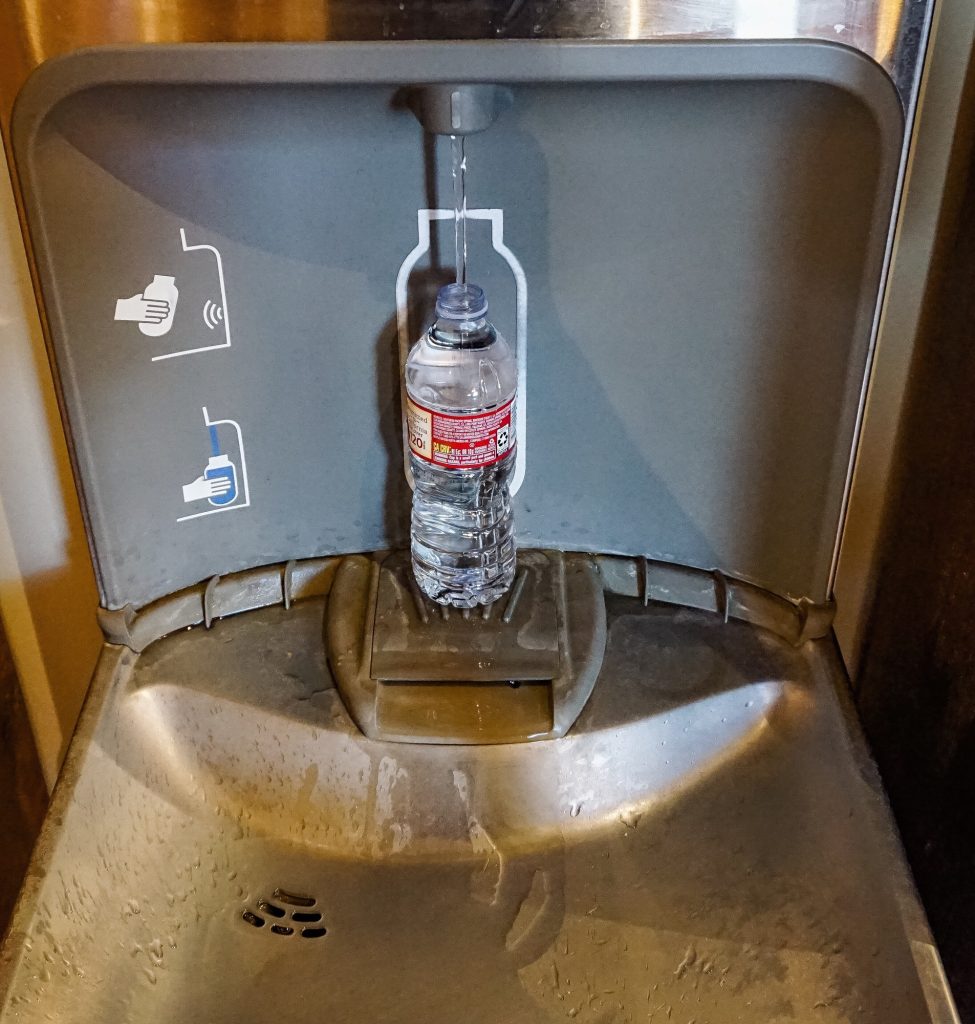
To fix leaks promptly, install low-flow showerheads, and collect rainwater for gardening. According to the The World Wildlife Fund(WWF), Water covers 70% of our planet, and it is easy to think that it will always be plentiful . Hower, freshwater the stuff we drink, bathe in, irrigate our farm fields with incredibly rare. Only 3% of the world’s water is fresh water, and two thirds of that is tucked away in frozen glaciers or otherwise unavailable for our use[6]. Even shorter showers can save thousands of gallon annually.
Use Practice Sustainable Fashion

Fast fashion contributes to 10% of global carbon emissions. Opt for ethical brands, second-hand shopping, or clothing rental srvices. According to The Ellen MacArthur Foundation championed a circular fashion economy to reduce waste [7], I have found capsule wordrobes to be both stylish and sustainable.
Reduce Plastic Usage
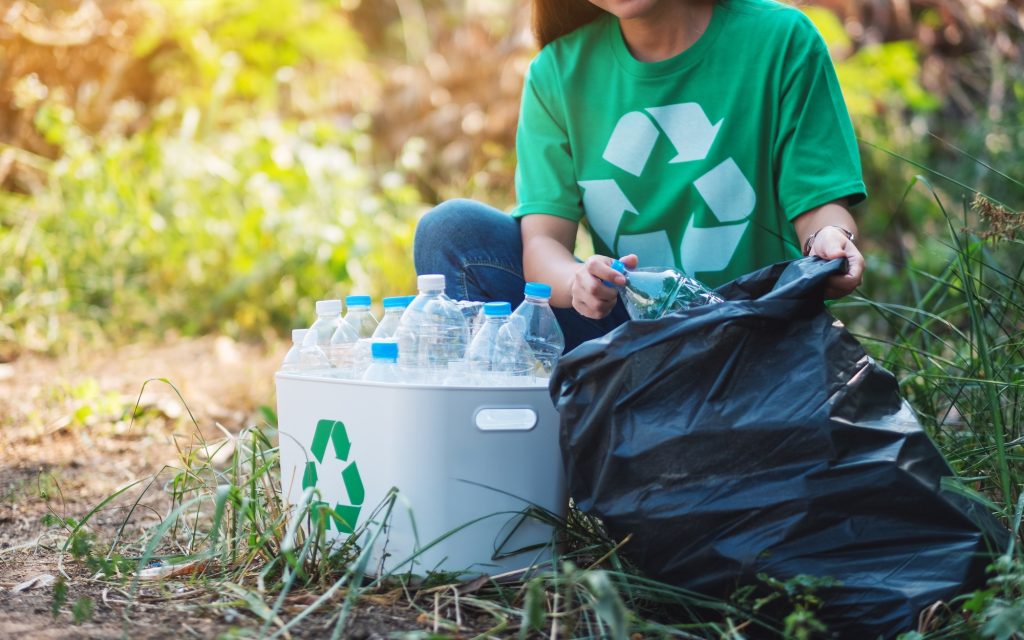
In whole world, Plastic Pollution harms marine life and human health. The Plastic Pollution Coalitions urges using resuable bags, bottles, and containers to curb a single-use pastics. for example the pro tip is: Keep a reusable kit in your car or bag to avoid disposables on the go [8].
Benefits of Sustainable Living
- Improved Health: Organic foods and cleaner air reduce exposure to toxins where Studies link sustainable habits to lower rates of respiratory illnessness.
- Cost Savings: Energy efficient upgrades and reduces consumption lowever bills over time.
- Environmental Protection: Every small action contributes to preserving ecoststems and combating climate change.
Conclusion
In conclusion, Adopting a does not require perfection start with one or two changes and build from there. As UN stresses, collective action is a vital for a equitable future. In my exprience, sustainability becomes second nature once you align your values with daily choices. Let’s create a healthier planet, one step at a time.
References
- https://www.unep.org/explore-topics/resource-efficiency/what-we-do/sustainable-lifestyles
- https://www.epa.gov/recycle/recycling-basics-and-benefits
- https://www.sciencedirect.com/science/article/pii/S2773139123000186
- https://www.energy.gov/energysaver/why-energy-efficiency-matters
- https://doudlahfarms.com/how-buying-local-and-organic-reduces-your-carbon-footprint/?srsltid=AfmBOooWVxnvtGz0ITytj4a8G0EIyoMWj6O4a3gZgsSUp-cgC0X9lGAn
- https://www.worldwildlife.org/threats/water-scarcity
- https://www.ellenmacarthurfoundation.org/topics/fashion/overview
- https://www.genevaenvironmentnetwork.org/resources/updates/plastics-and-health/